
10 Things to Do in Alfama That Most Visitors Walk Right Past
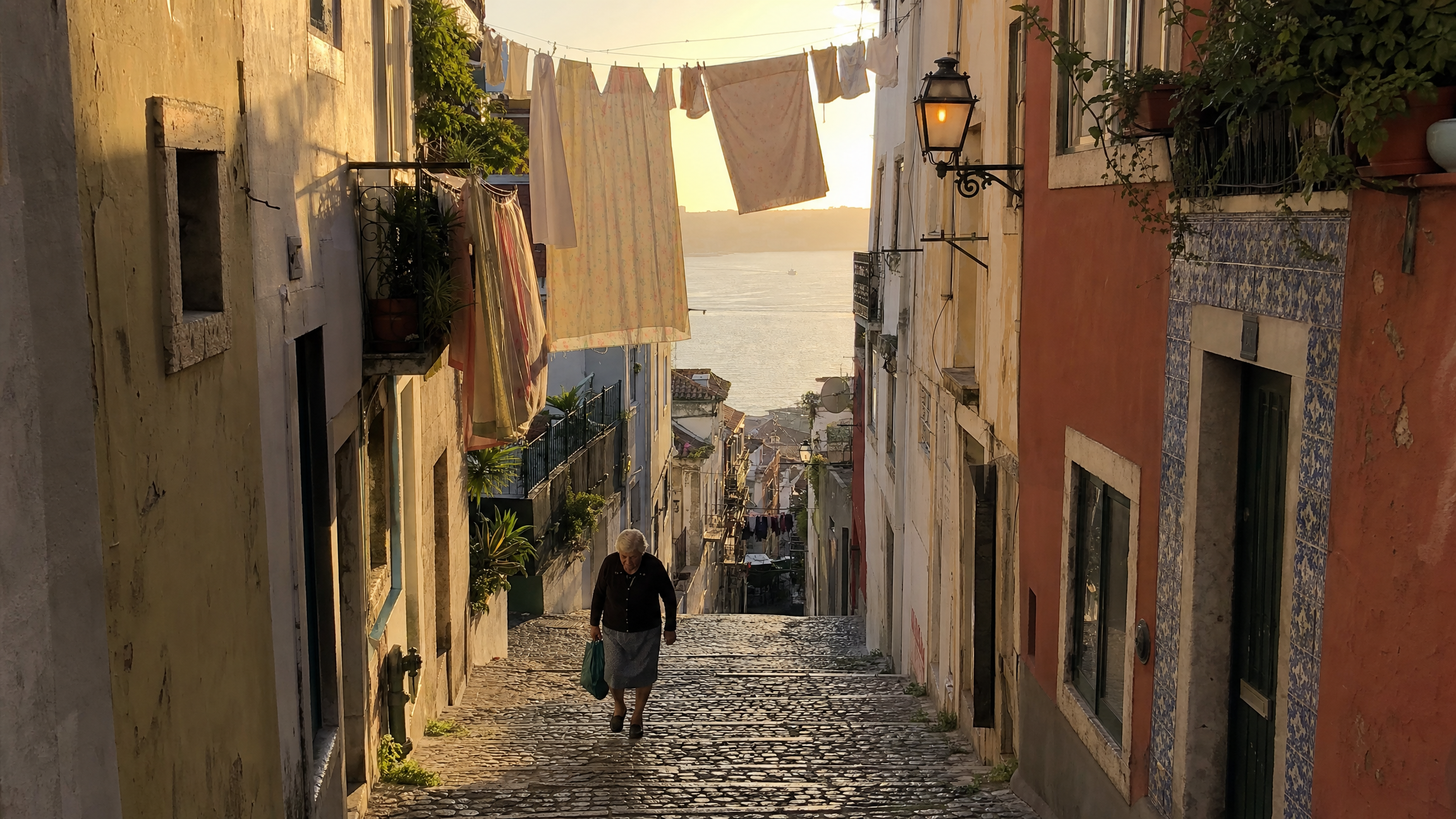
Alfama survived the earthquake that leveled the rest of Lisbon in 1755 — and it still feels like it. The streets are the same medieval tangle they've been since the Moors built them twelve centuries ago. No grid, no logic, no GPS signal that lasts more than thirty seconds. That's the whole point.
Most visitors ride Tram 28 through, snap a photo at the first viewpoint they find, and leave. Here are ten reasons to stay longer.
The Icons You Shouldn't Skip
Sé Cathedral has been standing since 1147, the year Afonso Henriques took Lisbon back from the Moors. It looks more like a fortress than a church — and it was designed that way. The Romanesque nave is austere and heavy, the cloisters are half-ruined in a way that somehow makes them more beautiful, and the treasury holds relics that would make a museum curator weep. Don't skip the cloister excavations: they've uncovered Roman, Visigothic, and Moorish layers underneath.
Castelo de São Jorge sits at the top of the hill and earns the climb. The castle walls date back to the Moors, and the views from the ramparts are the widest in Lisbon — the Tagus, the Baixa grid, the Ponte 25 de Abril, the Cristo Rei statue across the river. Come at sunset and bring something to drink. The peacocks wandering the grounds are a bonus nobody warns you about.
Panteão Nacional — the National Pantheon — took 284 years to finish. Lisboetas still use obras de Santa Engrácia as slang for anything that takes forever. The baroque dome is spectacular from the inside, but the real prize is the rooftop terrace. The 360-degree view from up there rivals the castle, with a fraction of the crowd.
The Viewpoints Worth Finding
Miradouro de Santa Luzia is the one with the bougainvillea-covered pergola, azulejo panels on the retaining wall, and a view that makes every phone camera look professional. The tiles depict Lisbon before the earthquake and the Christian siege of the castle — history lessons disguised as decoration. The terrace below, Portas do Sol, is even better for watching the sun drop behind the rooftops.
Miradouro da Graça is where the locals go. It's a five-minute walk uphill from Alfama proper, past the Augustinian monastery, and most tour groups never make it this far. The esplanade has cheap coffee, pine trees for shade, and a panorama that stretches from the castle walls to the river. Saturday mornings here are Alfama at its most unhurried.
The Traditions That Are Still Alive
Fado in a real tasca is different from fado in a tourist restaurant. At places like A Baiuca on Rua de São Miguel, the singer is three feet away, the tables are cramped, the wine is cheap, and nobody claps until the last note fades. Mesa de Frades in a converted chapel is another local favorite — the acoustics in that vaulted space will raise the hair on your arms. Go after 9pm and don't expect a menu in English.
Feira da Ladra is Lisbon's flea market, and it's been running in some form since the 13th century. Every Tuesday and Saturday, the Campo de Santa Clara fills up with vendors selling everything from antique azulejo tiles to military medals to your grandmother's sewing machine. Get there before 10am for the best finds. The views of the Pantheon dome from the upper rows of stalls are an underrated photo opportunity.
The Things Tourists Miss
Ginjinha from a doorway is an Alfama ritual. Elderly women sell homemade cherry liqueur — ginja — from their front doors for a euro a shot. It's sweet, it's strong, and it tastes like someone's grandmother made it, because someone's grandmother probably did. You'll find them on the smaller streets between the cathedral and the castle. No sign, no storefront, just a woman with a bottle and a stack of tiny plastic cups.
Rua de São Miguel after dark is Alfama without the tour groups. The laundry lines are still up, the fado drifts out of open windows, the cats own every doorstep, and the only light comes from wrought-iron streetlamps and the occasional television glow behind lace curtains. This is the street that travel photographers wait all day to shoot — but the best version of it happens after 9pm, when the neighborhood exhales.
The backstreet tascas are where Alfama feeds itself. Skip the restaurants with photos on the menu. Look for places where the daily special is written in marker on a whiteboard, the bread shows up without being asked for, and the bacalhau à Brás comes in a portion meant for a dockworker. Taberna da Rua das Flores is technically in Bairro Alto, but the spirit is pure Alfama — local food, no pretense, wine by the glass from a bottle behind the bar.
How to Do Alfama Right
Pro tip: skip Tram 28. It's packed, it's slow, and you'll spend the whole ride guarding your wallet instead of looking out the window. Walk instead. Alfama is steep but small — you can cross the whole neighborhood in twenty minutes, and every wrong turn leads somewhere worth finding.
Wear shoes with grip. The calçada cobblestones are beautiful but treacherous, especially after rain. Mornings are best for photography; evenings are best for fado and food. If you can, come on a Tuesday or Saturday for the Feira da Ladra.
Go Deeper
Our Around Alfama Tour takes you through the backstreets, hidden courtyards, and local haunts that don't show up on Google Maps — with a guide who grew up hearing fado through these walls. And our Hidden Lisbon Walking Tour connects Alfama to the equally fascinating neighborhoods of Mouraria and Graça.
Leave the map in your pocket. The best thing to do in Alfama is get lost.


Comments
Post a Comment